
Top Preventive Maintenance Tips to Keep Your Fleet Running Smoothly

Running a fleet of vehicles can be a complex operation. Whether you manage delivery vans, service trucks, or off-road work vehicles, keeping your fleet in peak condition is essential for safety, efficiency, and profitability. Preventive maintenance is the key to avoiding costly breakdowns, reducing downtime, and extending the life of every vehicle in your fleet. At Phantom Auto Repair in El Campo, TX, we specialize in complete fleet repair and maintenance, providing professional services that keep your vehicles running reliably.
Preventive maintenance goes beyond just changing oil or rotating tires. It is a strategic approach to vehicle care that anticipates problems before they become emergencies. By identifying and addressing potential issues early, fleet managers can avoid unexpected repairs, maintain safety standards, and ensure their vehicles perform at their best. Here are the top preventive maintenance tips to help your fleet stay smooth, reliable, and cost-effective.
1. Establish a Routine Maintenance Schedule
The foundation of preventive maintenance is a well-planned schedule. Each vehicle type in your fleet has manufacturer-recommended maintenance intervals for oil changes, filter replacements, brake inspections, and more. Following these guidelines ensures your vehicles receive consistent care.
Start by creating a maintenance calendar that tracks when each vehicle is due for services such as:
- Oil and filter changes
- Brake inspections
- Tire rotations and inspections
- Fluid checks for coolant, transmission, and power steering
- Battery and electrical system evaluations
A routine schedule not only prevents small issues from turning into major repairs but also simplifies record-keeping and fleet management. Digital maintenance tracking systems can make scheduling and reminders seamless, keeping every vehicle in compliance with maintenance requirements.
2. Monitor and Maintain Tires
Tires are a fleet’s first line of defense on the road. Worn or improperly inflated tires can lead to reduced fuel efficiency, poor handling, and even accidents. Regularly inspect tires for tread wear, punctures, or uneven wear patterns. Uneven wear could indicate misalignment or suspension problems.
Maintaining proper tire pressure is crucial. Underinflated tires increase rolling resistance, which affects fuel economy and accelerates tire wear. Overinflated tires may reduce traction and increase the risk of blowouts. Rotating tires at recommended intervals ensures even wear across all wheels, extending their lifespan and keeping vehicles safe on the road.
3. Prioritize Brake System Inspections
Brakes are critical for safety, especially in fleets that operate in urban areas or carry heavy loads. Regular brake inspections prevent dangerous situations and costly emergency repairs. Key aspects to check include:
- Brake pads and shoes for thickness and wear
- Rotors and drums for scoring or warping
- Brake fluid levels and quality
- Brake lines for leaks or corrosion
Ignoring early signs of brake wear can lead to complete brake failure, increased repair costs, and potential liability. Scheduling routine brake maintenance keeps your fleet safe and road-ready.
4. Keep Fluids and Filters in Check
A vehicle’s fluids are its lifeblood. Engine oil lubricates moving parts, coolant regulates temperature, transmission fluid ensures smooth gear shifts, and brake fluid powers your braking system. Regularly checking and replacing fluids prevents overheating, transmission failure, and component damage.
Filters play a complementary role by keeping contaminants out of the engine, transmission, and cabin. Air filters, fuel filters, and oil filters should be inspected and replaced at recommended intervals. Clean filters improve fuel efficiency, maintain engine performance, and protect critical components from premature wear.
5. Inspect and Maintain the Battery and Electrical System
Fleet vehicles rely on their electrical systems to power engines, lights, and accessories. A failing battery or corroded terminals can leave vehicles stranded and disrupt operations. Routine checks should include:
- Battery voltage and charge status
- Terminal cleanliness and secure connections
- Alternator performance and charging capacity
Proactive attention to electrical systems reduces unexpected breakdowns and ensures that vehicles start reliably, even in demanding conditions.
6. Focus on Suspension and Steering
Suspension and steering components are essential for vehicle stability, ride comfort, and handling. Worn shocks, struts, or steering components can affect control, especially when carrying heavy loads or traveling on uneven terrain.
Inspect suspension parts regularly for signs of wear or damage, including:
- Leaking shocks or struts
- Loose or damaged bushings
- Worn ball joints or tie rods
Proper alignment and suspension maintenance not only improves safety but also extends tire life and enhances driver comfort, which is particularly important for fleets with long routes or off-road vehicles.
7. Address Engine and Transmission Health
Engines and transmissions are the most expensive components to repair or replace. Preventive maintenance helps avoid costly failures. Key steps include:
- Regular oil and filter changes using manufacturer-recommended grades
- Timely replacement of timing belts and serpentine belts
- Checking for leaks and unusual noises
- Transmission fluid inspections and scheduled flushes
By addressing minor issues early, you can prevent major engine or transmission failures that can take vehicles out of service for extended periods.
8. Leverage Vehicle Diagnostics
Modern fleet vehicles are equipped with advanced onboard diagnostics systems. These systems detect problems early, allowing mechanics to address them before they escalate. Investing in diagnostic tools and software helps monitor engine performance, emissions systems, and other critical functions.
At Phantom Auto Repair, we use state-of-the-art diagnostics to quickly identify issues across the fleet. Early detection prevents breakdowns, reduces repair costs, and ensures vehicles meet safety and performance standards.
9. Keep Accurate Records
Record-keeping is a crucial part of preventive maintenance. Detailed maintenance logs allow fleet managers to track repairs, schedule services, and identify recurring problems. Good records also help with warranty claims and can improve resale value when it’s time to replace vehicles.
Include the following in your records:
- Date and mileage of each service
- Parts replaced or repaired
- Technician notes on vehicle condition
- Inspection results
Consistent record-keeping improves accountability and ensures every vehicle receives timely maintenance.
10. Train Drivers to Support Maintenance
Drivers play a critical role in fleet maintenance. Training them to recognize early signs of trouble—such as unusual noises, warning lights, or handling changes—can prevent minor issues from becoming major repairs. Encourage drivers to report problems promptly and follow recommended driving practices that reduce wear and tear.
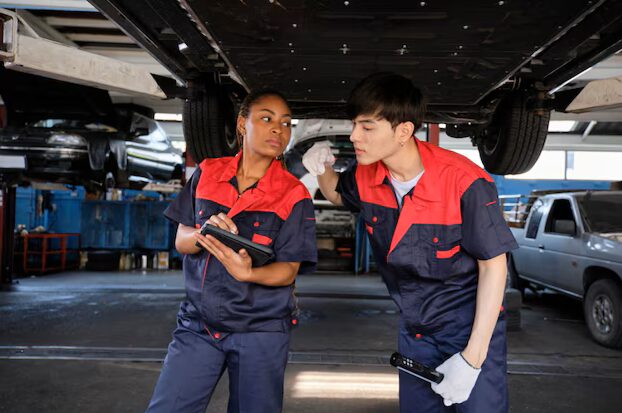

Maintaining a fleet requires attention to detail, consistency, and professional expertise. By following these preventive maintenance tips, you can reduce downtime, lower repair costs, and keep your vehicles performing at their best. At Phantom Auto Repair in El Campo, TX, we provide comprehensive fleet repair and maintenance services tailored to your business. From regular inspections to custom off-road builds, our GM-certified technicians deliver reliable solutions that keep your vehicles safe, efficient, and road-ready.
Schedule an appointment today to ensure your fleet stays in top condition and your vehicles are ready for any road or terrain. Our experienced team is here to provide the professional care your fleet deserves.
Related Posts
7 Fall Maintenance Checks Every El Campo Fleet Should Make Before Peak Freight Season
A fleet breakdown rarely happens at a convenient time. It happens when a delivery is already scheduled, a driver is waiting on a load, or one missing vehicle threatens to put an entire route behind schedule. During peak freight season,…


Can a Lift Kit Ruin Your Truck’s Ride Quality? Here’s the Truth About Off-Road Upgrades
A lifted truck should turn heads for the right reasons, not because it bounces across the road, wanders between lanes, or makes every pothole feel like a collision. That is the concern many truck owners have before scheduling a lift…

7 Mistakes You’re Making With Your Lift Kit Installation (And How to Fix Them)
There’s a specific kind of excitement that comes with ordering a new lift kit. You’ve seen the photos, you’ve picked out the tires, and you can already picture your truck towering over the traffic on Highway 59. But here’s the…